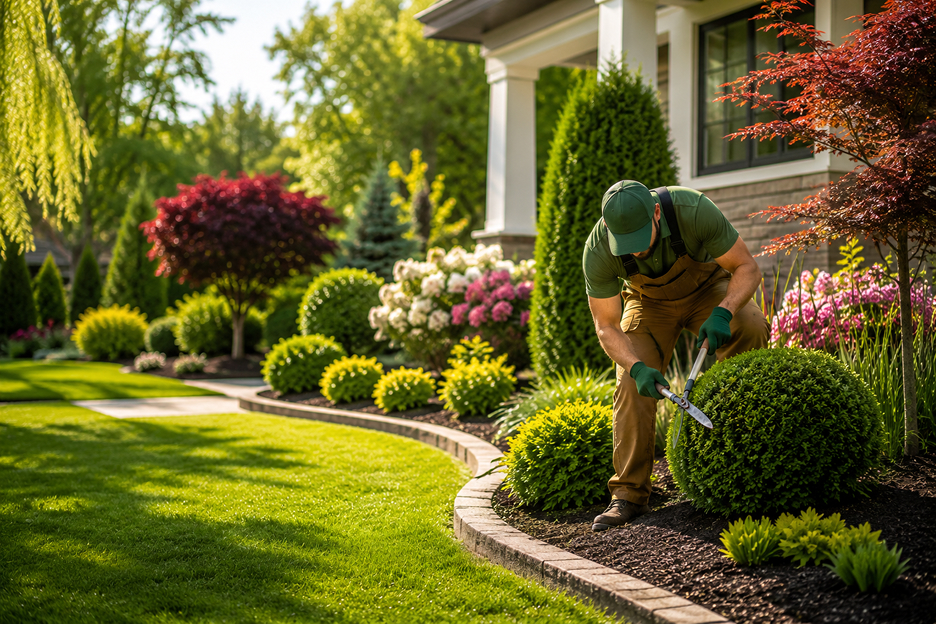
- Welcome to Hudson Valley a modern Gardening & Landscape.


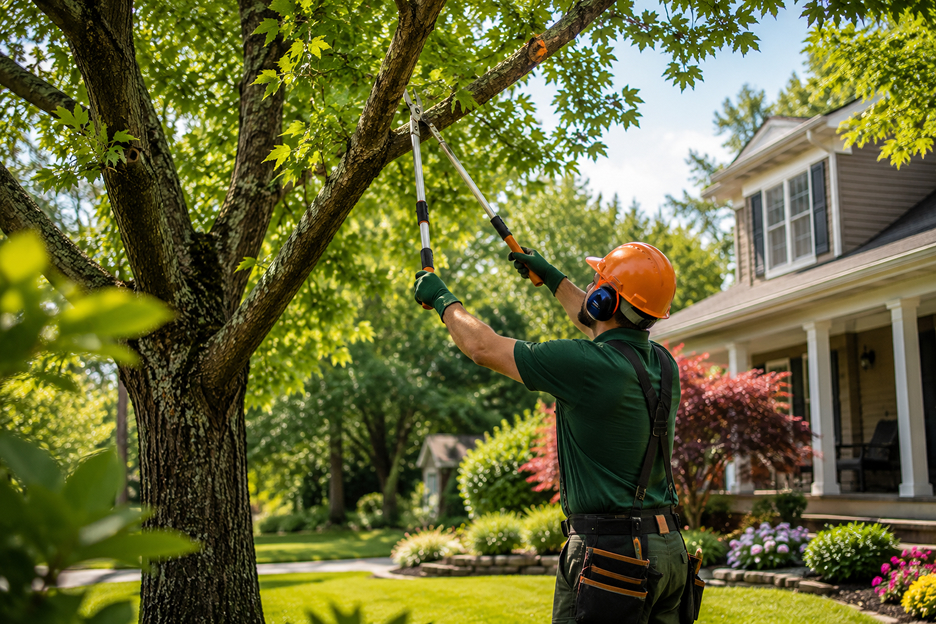
Trees are grand, tall and majestic creatures that not only add beauty and appeal to your yard but also contribute to a healthier landscape. They provide shade, improve air quality and increase property value by boosting curb appeal. Trees require regular checking. You should keep looking for signs of decay or weakness the tree might be experiencing. A damaged or sick tree can cause significant damage to your home, vehicles, power lines or even people.
In the Hudson Valley region, the trees undergo changing weather conditions which can place extra stress on already weak and overgrown trees.
These are the signs you can look for to see if the tree needs trimming and you require professional help:
A low lying or falling branch can be a cause for concern. It reduces your curb appeal and also shows signs of neglect. Dead branches can also encourage rot or insect infestation. Such branches can easily fall off leading to damage on property, utility lines, or even people. Weak branches are prone to more damage when there are storms. Additionally, they make you vulnerable to legal disputes if there is any major injury.
If you see wounds or hollows on the trunk or branches, it is a sign the tree has become weak. These allow decay to enter into the tree which can weaken it structurally and make it prone to falling under the stress of storms.
If you notice any mushroom or fungus growing at the base of the tree, you should immediately call a professional service. It is called bracket fungus which is a wood decomposer and a tree parasite. You should also look for brown areas which should be green or filled with leaves as they can be an early sign the tree needs a check-up.
If the canopy has got so dense that it is not letting the sunlight in, it is time to thin your tree. A healthy canopy should provide good airflow, let the sunshine in and make the tree look beautiful. A dense canopy often has stifled and cracked branches and can increase the risk of fungal diseases as well as causing greater storm damage.
Leaves can tell a lot about tree health. To turn yellow and fall off is part of a leaf’s life cycle. But if you constantly see leaves that are yellow or brown and rarely see green leaves on your tree, it could be a sign there is something wrong with the tree. Such wilted and damages leaves are often the result of stress from disease, pest infestations, poor air circulation, or damaged branches. Hudson Valley's humid summers can create favorable conditions for fungal diseases that often show up first in the leaves.
A few fallen twigs are normal, but regularly finding branches in your yard, especially after mild weather can signal declining tree health. If the branches are too brittle, they may damage roofs, vehicles, fences, or nearby landscaping.
Trees growing near power lines, telephone cables, internet lines, or other utility infrastructure require special attention. But do not try to trim these branches yourself because you may get exposed to electric shock and cause severe injury. Branches falling on electricity wires can also cause power outages. If you notice any branches that are too close to the utility lines, call a professional tree trimming and landscaping service to solve the issue for you while you maintain a safe and healthy distance from utility infrastructure.
Trees are one of the most valuable features of any landscape. Proper tree maintenance ensures safety, promotes growth and embellishes your property’s curb appeal. At Hudson Valley Landscaping & Gardening, we understand the unique challenges that Hudson Valley trees face throughout the year. Our team is committed to helping homeowners maintain healthy, well-structured trees that enhance the beauty, safety, and value of their outdoor spaces.
If you notice any of the above-mentioned signs in the trees in your property, then schedule a professional tree evaluation with us. Our team will help keep your trees healthy, safe, and beautiful for years to come.